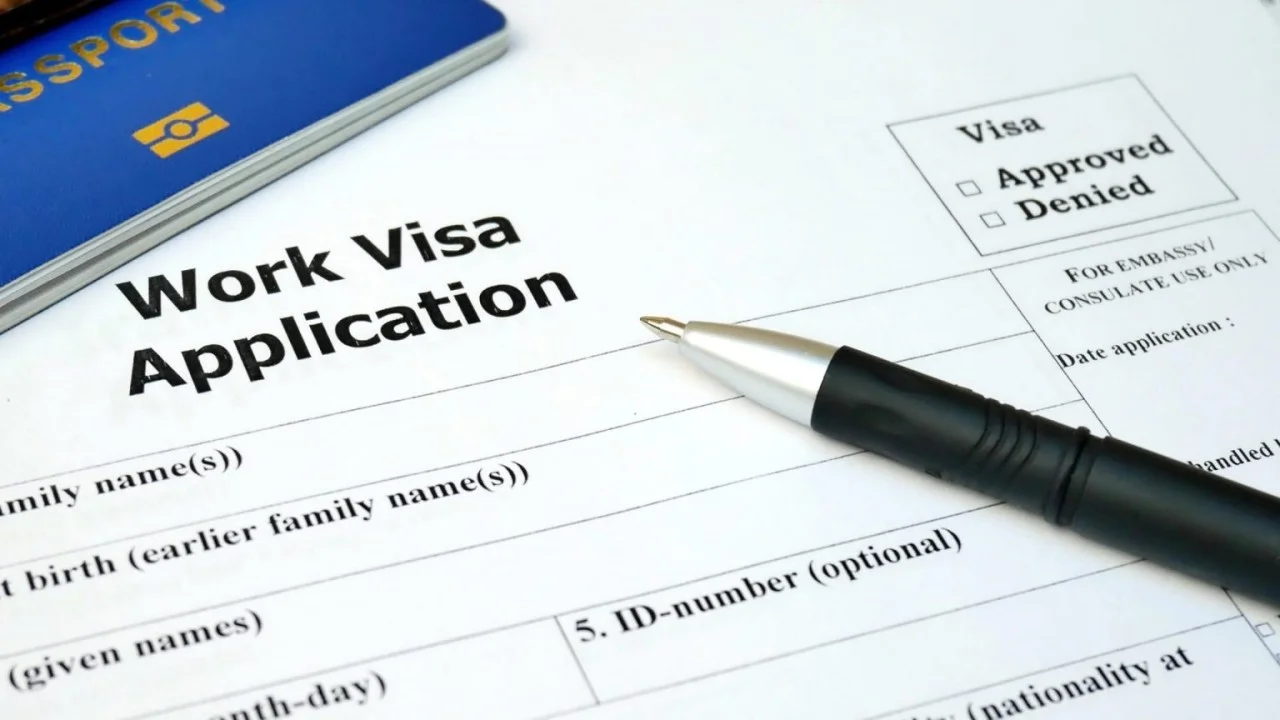


For immigration agencies, visa consultants, and recruitment partners placing workers from the Philippines, Bangladesh, India, Pakistan, Nigeria, Ghana, and Kenya, Serbia has emerged as a genuinely practical European destination. The country is facing measurable shortages across construction, manufacturing, logistics, healthcare, and IT — and its government has responded with the most significant reform to its immigration framework in a decade. If your agency has not yet added Serbia to its service portfolio, now is the right moment to understand the system.
What Changed: The 2024 Immigration Overhaul
Effective 1 February 2024, Serbia enacted a comprehensive set of changes to how foreign nationals live and work in the country. The headline reform is the introduction of the Single Permit — a combined Temporary Residence and Work Permit issued as a single biometric card. Previously, employers and workers had to navigate two parallel procedures. That duplication is now eliminated.
Alongside the Single Permit, Serbia launched a new centralised online portal (welcometoserbia.gov.rs) through which all visa and permit applications are submitted electronically. This digital-first approach means your agency can manage Serbia cases without requiring the applicant to attend in person at multiple government offices — a significant advantage for cross-border operations.
The labor market test process was also overhauled. The National Employment Service (NES) is now required to issue a decision within 4 working days of the employer’s submission — compared to weeks under the old system. This alone dramatically shortens the pre-visa preparation stage.
Understanding Visa D and the Single Permit: What Agencies Must Know
For most of your clients from Asia and Africa, the entry pathway is the Type D (Long-Stay) Visa. This is the mandatory precursor to the Single Permit for nationals who require a visa to enter Serbia. The Visa D is applied for at the Serbian Embassy or Consulate in the applicant’s home country and allows a stay of 90–180 days, during which the Single Permit application is processed.
Once inside Serbia on a valid Visa D, the worker — or their employer — submits the Single Permit application electronically. Crucially, since 2024, foreign nationals may begin work immediately upon submission of the Single Permit application, without waiting for the biometric card to be issued. This removes the gap period that previously forced employers to delay onboarding.
Document Requirements: Visa D + Single Permit
The documentation pipeline for Serbia consists of two stages: the Visa D application at the consulate, and the Single Permit submission on the eGovernment portal. Below is a breakdown of what each stage requires, as relevant for agencies preparing documentation packages.
Visa D — Consulate Stage
- Valid passport (min. 90 days beyond departure, 2 blank pages, issued within 10 years)
- Signed employment contract from Serbian-registered employer
- Employer invitation or assignment letter
- Proof of accommodation in Serbia
- Health insurance valid for Serbia
- Completed Visa D application form
- Passport-size photographs
- Visa fee payment
Single Permit — ePortal Stage
- Approved labor market test (from NES)
- Employment contract (full copy, Serbian translation if required)
- Employer’s excerpt from job classification rulebook
- Biometric passport scan
- Proof of address / accommodation in Serbia
- Health insurance certificate
- Foreigner ID number (evidencijski broj stranca) from MUP
- Permit fee payment confirmation
Labor Market Test — Employer Obligations
- Submission to NES at employer’s registered business location
- Detailed job description for the position
- Conditions required for the foreign worker’s role
- Excerpt from job classification rulebook (if 10+ employees)
- Declaration letter if fewer than 10 employees
- NES decision issued within 4 working days
Employer Registration Requirements
- Company registered with Serbian authorities
- Employer registered with Ministry of Internal Affairs
- Active registration with National Employment Service (NES)
- Employer of Record or local entity mandatory
- Responsibility for permit fee (or agreed with worker in contract)
- Social security registration via central registry post-approval
Key Sectors Driving Demand — Where Your Clients Fit
Serbia’s labour shortage is concentrated in sectors that match the skill profiles of workers from your source countries. Construction, manufacturing, logistics, food processing, and transport are the primary drivers for unskilled and semi-skilled placements. For agencies with skilled worker pipelines, healthcare, IT, and engineering roles are also in active demand — and command salaries well above Serbian average wages.
The flat 10% income tax rate makes Serbia financially attractive for workers compared to higher-tax Western European markets. Combined with a lower cost of living, this positions Serbia as a strong option for workers looking for stable, legal employment in Europe without the heightened competition seen in Germany or Poland.
Processing Timeline: What to Tell Your Clients
Under the current framework, a realistic end-to-end timeline from documentation preparation to the worker starting employment is approximately 6–10 weeks, broken down as follows: consulate Visa D processing typically takes 2–4 weeks after submission; the labor market test is decided within 4 working days; and the Single Permit biometric card is issued within a standard 19-day government processing window. Since workers can begin employment upon Single Permit application submission, actual onboarding can happen earlier.
How Macro Work Visa Supports Your Serbia Cases
At Macro Work Visa (macrovisa.com), we prepare complete, submission-ready visa documentation packages for immigration agencies and visa consultants placing workers into Serbia and across 10+ European countries. Our team handles the full documentation chain: from Visa D file preparation and employment contract review to Single Permit supporting document assembly and employer compliance checklists.
We work exclusively B2B — meaning we support your agency’s back office, not your clients directly. If you are actively placing workers from the Philippines, Bangladesh, India, Pakistan, Nigeria, Kenya, or Ghana into Serbian employer placements and need a reliable documentation partner, we are structured to handle volume with consistency and speed.
Serbia’s 2024 immigration reform has made the country a credible European destination for agencies focused on African and Asian worker placements. The Single Permit system reduces processing friction, the digital portal enables remote document submission, and high demand across construction and manufacturing means employer demand is real and sustained. Agencies that build a Serbia documentation workflow now will be well positioned as the market grows ahead of the country’s EU accession track.
Ready to Add Serbia to Your Agency’s Portfolio?
Have questions or ready to get started? Message us directly on WhatsApp and we’ll get back to you within 30 minutes.
Let’s Discuss Partnership on WhatsApp