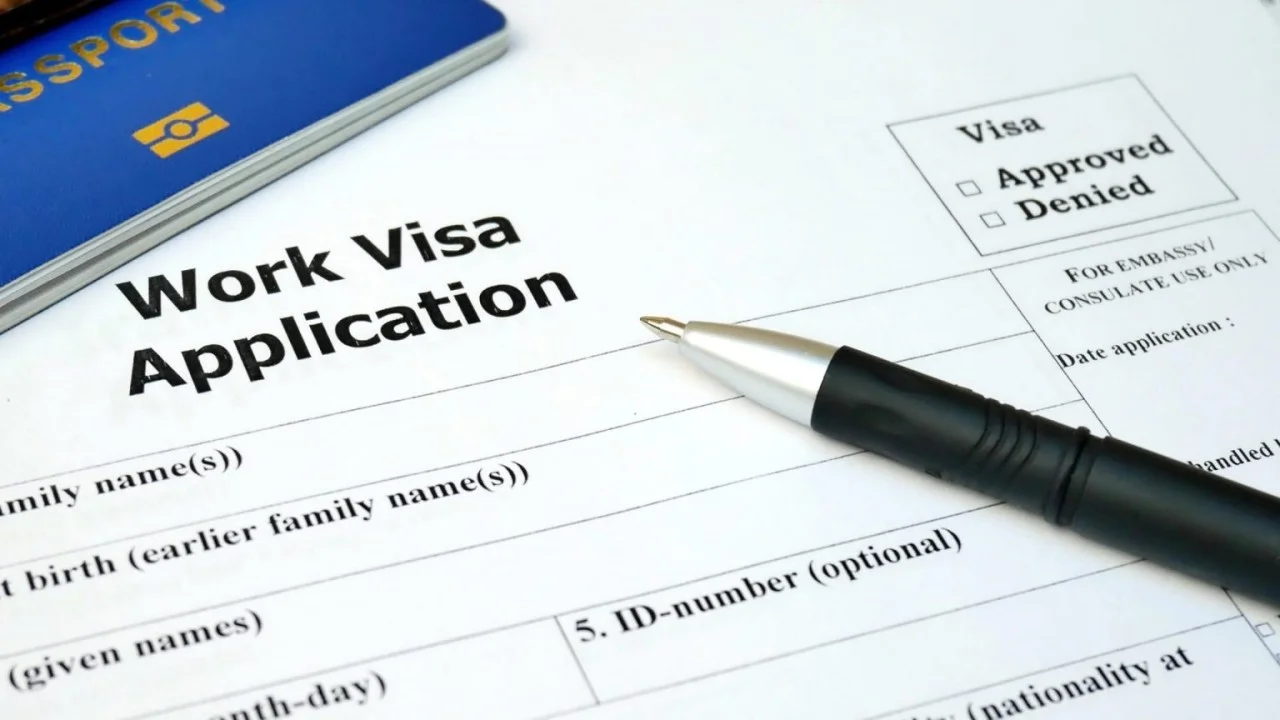


Germany remains one of the most attractive destinations in Europe for Indian workers. The Fachkräfteeinwanderungsgesetz (Skilled Immigration Act) has created new legal entry routes — but the documentation burden placed on sponsoring employers and their agency partners is significant. For agencies placing workers from India, having a reliable documentation workflow is not optional. It is the foundation of every successful placement.
Indian nationals require a national visa (Type D) to enter Germany for employment. Unlike EU citizens, they cannot begin work on arrival — the visa must be issued by the German Embassy in New Delhi, Mumbai, Chennai, or Kolkata before departure. This makes the pre-departure documentation phase the most critical stage of the entire placement process.
The most commonly used visa categories for agency placements are the Employment Visa for non-regulated professions and, for qualified candidates, the EU Blue Card. Understanding which category applies to each candidate directly affects both the document requirements and overall processing timeline.
Every German work visa application for an Indian national requires a carefully organised set of documents — from both the employer side and the worker side. Missing or incorrectly formatted documents remain the single most common cause of delays at German embassies.
- Signed employment contract (German + certified translation)
- Federal Employment Agency (BA) approval or exemption proof
- Company registration certificate
- Job description matching NOC codes
- Valid Indian passport (min. 12 months validity)
- Biometric photos per Schengen specifications
- Completed national visa application form
- Cover letter explaining employment intent
- Degree/diploma certificates with certified German or English translation
- Skills recognition statement
- Vocational training certificates where applicable
- Health insurance confirmation valid in Germany
- Proof of accommodation in Germany
- Proof of financial means (for some visa categories)
Before most Indian nationals can receive a German work visa, the Federal Employment Agency (Bundesagentur für Arbeit) must approve the employment. This involves a labour market test — confirming no suitable EU/EEA candidate is available for the role. The employer, or their legal representative, submits this application via the sponsoring company’s regional Foreigners’ Authority (Ausländerbehörde).
BA approval can add 4–8 weeks to the overall timeline. Agencies working with German employers must factor this into their placement schedules and ensure that job descriptions submitted to the BA are precise, role-specific, and fully consistent with the employment contract wording.
Germany places considerable weight on formal credential recognition, especially for regulated professions such as nursing, engineering, and construction trades. For Indian workers, the recognition process is managed through the Central Foreign Office for Education (anabin database) and, where required, through IHK or other recognition procedures.
For agencies placing workers in non-regulated sectors — production, warehousing, food processing, cleaning, logistics — full recognition is generally not required. However, translated and notarised copies of educational qualifications remain a mandatory part of the embassy application. Agencies should build credential collection and translation into their candidate onboarding process well in advance of submission.
Macro Work Visa is a Warsaw-based documentation agency specialising in European work visa preparation for recruitment agencies, immigration consultants, and employer partners. For Germany–India placements specifically, we provide end-to-end document preparation: employment contracts in German, certified translations, BA submission packages, qualification document review, and embassy-ready dossiers for each individual worker.
Our B2B model means you focus on sourcing and placing candidates — we handle the paperwork infrastructure behind every application. Agencies processing five or more German visa applications per month benefit particularly from our batch documentation service, which standardises quality across all files and significantly reduces embassy rejection rates.
Placing Indian workers in Germany is a high-value but documentation-intensive process. Agencies that invest in a structured documentation workflow — and partner with a specialist like Macro Work Visa — consistently outperform competitors on speed, approval rates, and client satisfaction. The German labour market is open. The documentation just needs to be right.